
Potomac Environmental Research and Education Center

Environmental Science Students Engage With River Partners

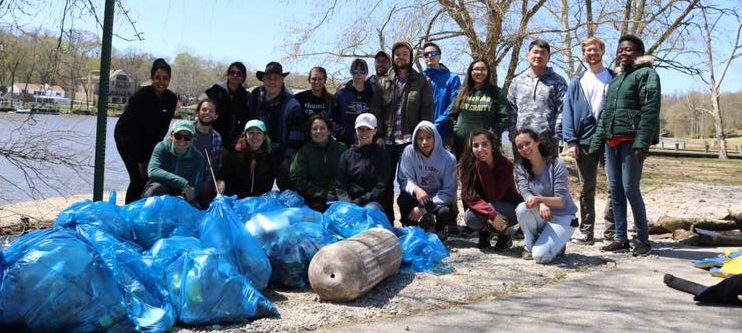
Featured Image: Dr. Dann Sklarew‘s Sustainability in Action Course did a clean up of the Occoquan river in April 2017. They braved the wind to collect 19 bags of trash! The most commonly found items were bottles (glass and plastic), Styrofoam, and fishing line.

Dr. Chris Jones piloted PEREC’s trusty skiff, navigating the lower Occoquan, and assisting with mile marker sign installation

Being part of a river community has tremendous perks. Our students and faculty have worked with John Houser and the Occoquan River Community for years, conducting research sharing family-friendly water quality activities at the Occoquan River Festival, as well as updating the community on research and programming on annual Rivershore cruises and participating in river clean-ups. This community has provided Mason students with diverse experiences as well as valuable networking connections.

Environmental Science and Policy students Nick Hanna and Michael Rollins assist OWL volunteers with mile marker sign installation.

When the Occoquan Regional Park Manager, John Houser, and the Occoquan Water Trail League (OWL) needed help to complete the installation of mile marker signs along the 40mile stretch of river shore, they immediately looked towards hiring George Mason students. The OWL is a volunteer affiliate of the Occoquan Water Trail and NOVA Parks, composed of recreational paddlers and others committed to low-impact use, conservation and resource stewardship of our shared waterways. Weather and tides permitting, river marker sign installation should be completed by the end of June.

We’re proud to be a part of the newly organized Occoquan River Communities Alliance, said PEREC’s Dr. Cynthia Smith, where the business, university, parks, town, arts and communities routinely come together supporting each other.

PAID Undergraduate Research Position!

Paid Summer Research for Undergraduates

Have you been following last summer’s OSCAR research on micropollutants in the Potomac? Are you an undergrad who would you love a PAID summer research experience like that? There are TEN positions open!

Apply now at https://gmu-csm.symplicity.com/

Watch the video below to see how much last year’s OSCAR students loved their experience!

Micropollutants in the Potomac

Led by principal investigators Amy Fowler and Kim de Mutsert, the Summer Team Project looked at the effects of micropollutants on the Potomac River watershed. Projects were funded by the Students as Scholars at Mason as well as the Patriot Green Fund, and the videos were produced by graduate student, Chelsea Gray, thanks to the Virginia Sea Grant.

A New Way to Study Fish?

Written by: Jessie Melton

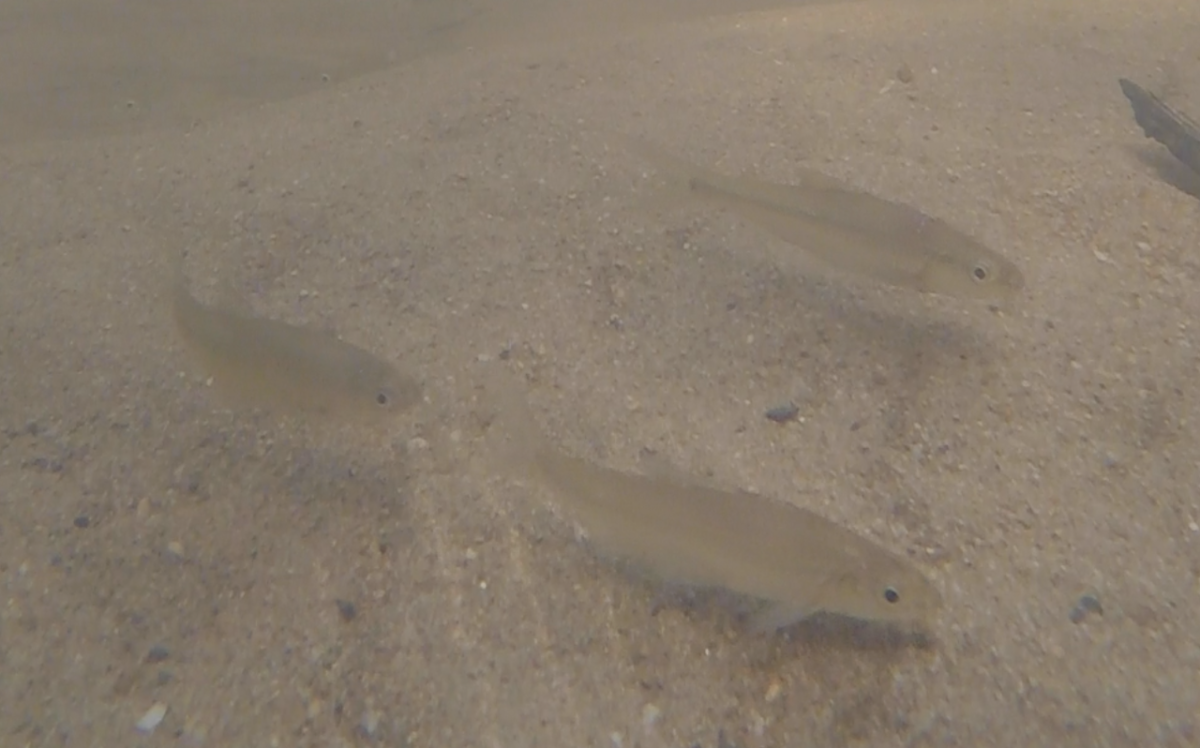
River herring, Alosa pseudoharengus and Alosa aestivalis, are an anadromous fish species that migrate from marine waters through estuaries to freshwater nurseries in order to spawn and lay eggs. River herring have historically been a valuable commercial species in fisheries, but the stocks collapsed throughout their native region along the Atlantic Coast since the 1990s. The Potomac Environmental Research and Educational Center (PEREC) has conducted an ongoing study of Gunston Cove for the past three and a half decades, and has incorporated the monitoring of river herring population to aid in determining whether or not the moratorium is beneficial to the decline in river herring abundance. 

Why are there Drugs in the Potomac River?

OSCAR student Heather Nortz talks about her summer 2017 research. Led by principal investigators Amy Fowler and Kim de Mutsert, the Summer Team Project looked at the effects of micropollutants on the Potomac River watershed. Projects were funded by the Students as Scholars at Mason as well as the Patriot Green Fund, and the videos were produced by graduate student, Chelsea Gray, thanks to the Virginia Sea Grant.

Are Potomac Fish on Drugs?

OSCAR students Lisa McAnulty and Tabitha King talks about their summer 2017 research. Led by principal investigators Amy Fowler and Kim de Mutsert, the Summer Team Project looked at the effects of micropollutants on the Potomac River watershed. Projects were funded by the Students as Scholars at Mason as well as the Patriot Green Fund, and the videos were produced by graduate student, Chelsea Gray, thanks to the Virginia Sea Grant.

What Can a Fish’s Diet Tell Us?

OSCAR student Sammi Alexander talks about her summer 2017 research. Led by principal investigators Amy Fowler and Kim de Mutsert, the Summer Team Project looked at the effects of micropollutants on the Potomac River watershed. Projects were funded by the Students as Scholars at Mason as well as the Patriot Green Fund, and the videos were produced by graduate student, Chelsea Gray, thanks to the Virginia Sea Grant.

What’s at the Bottom of the Potomac River?

Laura Birsa pulls the ponar onto the boat

Written by: Chelsea Gray

Each year, researchers and graduate students from PEREC gather data on Gunston Cove, located just downriver from the Norman M. Cole Jr. Pollution Control Plant. This study has been used to determine the health of the Potomac River for over three decades.

How is a river’s health determined?

PEREC Faculty highlighted in Mason Spirit

Cindy Smith’s Human Dimensions and Biomes class (EVPP 302) was highlighted recently in Mason Spirit.

She found that some environmental science and biology majors were having difficulty finding jobs without a graduate degree. Looking for answers, she surveyed 10 employers and found that what they wanted most was were employees who had worked on “real” research projects and had “real” field experience. So she reworked the course to include an energy audit of a campus building, which is conducted in partnership with Mason’s Offices of Sustainability and Facilities….

“One of the best parts about my job is the interaction with the students during plant tours—and getting new ideas from them that we can possibly use to save energy,” says Jeffrey Counts, superintendent of the heating and cooling plant in Facilities Management.


Read the rest here.

Are Potomac River Fish Addicted to Drugs?

Written By: Heather Nortz

How many prescription or over the counter drugs are currently in your medicine cabinet? Did you know that your body doesn’t absorb 100% of the drugs you take? What do you do with your expired or unused drugs? Do you think wastewater treatment or drinking water plants remove pharmaceuticals from water before they release it into the environment or to your well or water tower?